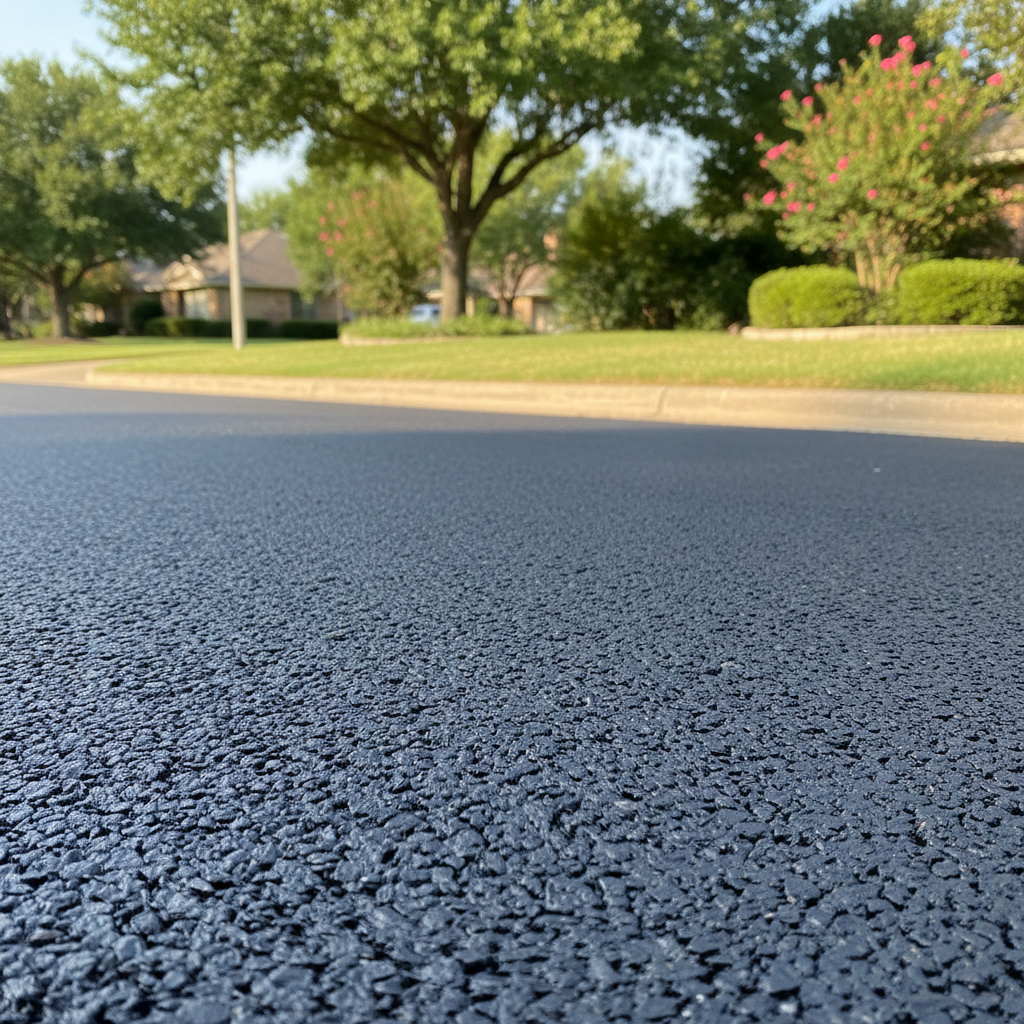
Your driveway takes a heavy beating under the Dallas sun. Between the blistering July heat waves and the occasional freeze in January, that blacktop goes through severe weather shifts. If you are looking at a crumbling, alligator-cracked mess every time you pull into your garage in Lake Highlands or Preston Hollow, it is time for a change. Tearing out and putting down new asphalt is not a weekend project. Let us walk through what actually goes into an Asphalt Paving job in Dallas, TX, what you can prep yourself, and where you need to step back and let Apex Asphalt Solutions handle the work.
Before the First Truck Rolls Up
Preparation makes or breaks an Asphalt Paving job. If anyone tells you they can just dump hot mix over a muddy clay bed, that is a bad sign. Here in Dallas, our heavy black gumbo clay expands and contracts wildly depending on whether we are in a drought or a flash flood. That movement will crack fresh Asphalt Paving in a heartbeat if the base is not right.
Here is what you can do before the crew arrives:
- Clear out all vehicles, basketball hoops, and children's toys from the work zone.
- Mark your sprinkler heads clearly so heavy machinery does not snap them off.
- Talk to your neighbors if your driveways share an apron or tight property line.
What you should leave to Apex Asphalt Solutions is the sub-base evaluation. We need to grade the subgrade properly, lay down crushed limestone aggregate, and compact the material thoroughly with a heavy roller. If that foundation is not solid, nothing else matters for your Asphalt Paving project.
During the Paving Process
On paving day, things move fast. Hot mix asphalt arrives in dump trucks steaming at around 300 degrees Fahrenheit. The material has to be laid and compacted before it cools down, which leaves no room for delays during Asphalt Paving.
You can stay helpful by staying out of the way. Keep pets inside, keep kids away from the edge, and make sure your irrigation system is completely shut off for the day. Water and 300-degree liquid binder do not mix well.
Our crew will run the paving machine, lay the mat to the correct thickness—usually around two to three inches for residential driveways after compaction—and hit it with heavy steel-wheel and pneumatic rollers. You are paying for our equipment, our operator experience, and our labor. Apex Asphalt Solutions makes sure every square foot of Asphalt Paving is rolled and finished correctly.
After the Paving is Done
The paving machine is gone, and your driveway looks rich, dark, and brand new. The work is finished, right? Not quite. What you do in the first couple of weeks dictates whether your Asphalt Paving investment lasts 15 to 20 years or falls apart in 2 years.
Asphalt cures, it does not dry. That means the surface stays relatively soft as the petroleum oils oxidize and harden. Keep heavy delivery trucks and RVs off that fresh surface for at least two weeks. If you park a heavy boat trailer on soft August asphalt in Dallas, those tires are going to sink right in and leave permanent ruts.
Walk the edges. Once the asphalt cools completely, take a shovel and pack some dirt or crushed rock against the exposed sides. Unsupported edges are the first thing to crumble when cars turn sharply.
Give it about 6 to 12 months of weathering before you think about sealcoating. Let the oils gas out first. When you are ready to protect that surface from our brutal UV rays, give us a call at Apex Asphalt Solutions and we will provide complete Asphalt Paving services for homes in Dallas, TX.