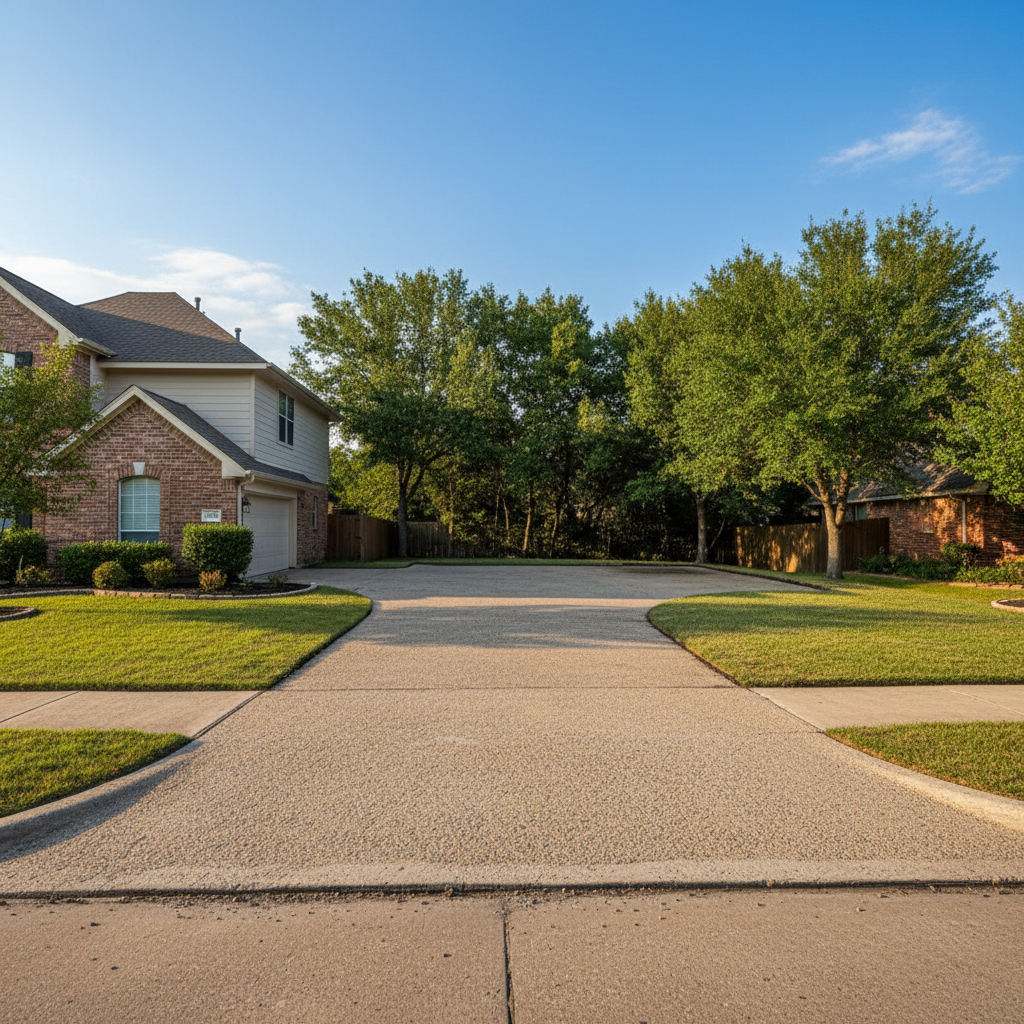
So, you're thinking about asphalt milling for your place here in Dallas. Maybe it's a really long driveway, a private road, or even a parking area that's just seen better days. Milling is a smart way to give that surface a facelift without ripping everything out and starting from zero. Essentially, we shave off the top layer of old asphalt, leaving a solid base that's perfect for a new, smooth surface. But, like any big project, you'll need a plan. Let's talk about what that usually looks like.
Project Timeline: What to Expect
You're probably wondering how long this whole thing actually takes. From your first call to the finished product, it's not an overnight miracle, but it's often quicker than a full tear-out and rebuild. Here's a rough breakdown:
- Initial Inquiry & Site Visit (1-2 weeks): You give us a call, and we'll set up a time to come out. I'll walk the property with you, check out the existing asphalt, and we'll chat about what you're hoping to achieve. We'll also look at things like drainage, the sub-base condition, and any specific challenges we might face.
- Proposal & Contract (1-2 weeks): After that site visit, we'll put together a detailed proposal. This will lay out the scope of work, the materials we'll use, a timeline, and the cost. You'll get a chance to review it, ask any questions you have, and once you're comfortable, we'll sign the contract.
- Scheduling & Permitting (2-4 weeks): Once the contract's signed, we'll get you onto our schedule. If any permits are needed – usually for bigger commercial jobs or if we're working near a public right-of-way – we'll take care of that. For most residential driveways, it's usually less of a concern.
- The Work Itself (1-3 days): This is the actual milling and paving part. It typically goes pretty fast. Smaller driveways might be done in a single day; larger areas could take two or three. We'll give you a clear estimate for your specific project, of course.
- Curing Time (1-7 days): After we lay the new asphalt, it needs some time to cure. You'll want to keep off it for at least 24-48 hours, sometimes longer for heavy vehicles, especially with our Texas heat. We'll make sure you have precise instructions.
So, from start to finish, you're generally looking at anywhere from 6 to 10 weeks, depending on how busy we are and how complex your project is.
What Happens During the Milling Process?
When we show up, we're not just bringing a shovel and a wheelbarrow, you know. Milling is a specialized job. First, we'll mark out the areas that need milling. Then, our milling machine, which is a pretty big piece of equipment, moves in. It's got a rotating drum with teeth that grinds up the old asphalt surface to a specific depth. It gets pretty loud, and it kicks up a lot of dust, but it's super efficient. The machine collects the milled material (we call these 'millings') and loads it directly into dump trucks. We haul that away for recycling; it's actually a pretty green process. Once the milling is done, we'll clean the surface really well, making sure it's completely ready for the new asphalt overlay. After that, the paving crew comes in, applies a tack coat, and lays down the fresh asphalt. It's a coordinated effort, and we really try to keep disruption to a minimum.
How to Prepare Your Property
Before our crew even arrives, there are a few things you can do to make the whole process smoother for everyone:
- Clear the Area: Please move any vehicles, boats, trailers, or anything else off the asphalt surface and out of the immediate work zone. This includes potted plants, yard art, and anything that might get in our way.
- Trim Landscaping: If you have low-hanging branches or shrubs right next to the asphalt, give them a good trim. It just helps us get our equipment in without damaging your plants or our machinery.
- Mark Sprinkler Heads/Invisible Fences: If you've got an irrigation system or an invisible pet fence running near or under the asphalt edge, mark those spots clearly with flags or paint. We're always careful, but knowing exactly where they are really helps prevent accidental damage.
- Secure Pets: Keep your pets indoors or in a secure, fenced area away from the work. The noise and activity can be pretty stressful for them, and honestly, we don't want anyone getting hurt.
- Communicate: If you have any specific concerns about access, utilities, or anything else, just talk to us before the work starts. We're here to help, after all.
Key Questions to Ask Before Signing
You're putting a good chunk of change into this, so you really need to be sure you're working with the right folks. Here are some questions I'd ask any contractor, including us at Apex Asphalt Solutions:
- What's the exact depth you'll be milling? You want to know they're taking off enough of the old, damaged material, right?
- What type of asphalt mix will you be using for the overlay, and how thick will it be? Different mixes work better for different applications and traffic loads. You definitely want a surface that can handle our hot Dallas summers and those occasional heavy rains.
- How will you handle drainage? This is super important, especially with our clay soils and the way water moves here. You certainly don't want puddles forming.
- What's your plan for cleanup and debris removal? Make sure they're hauling away all the millings and leaving your property tidy when they're done.
- Do you offer a warranty on your work? If so, what does it cover and for how long? A good, reputable contractor will always stand behind their work.
- Can you provide references from recent milling projects? Talking to other homeowners who've used them is a fantastic way to gauge their reliability.
- Are you fully licensed and insured for this type of work in Texas? Don't skip this one. You absolutely need to know you're protected.
Milling is a great solution for many properties, giving you a fresh, strong surface without the full expense of a brand new installation. Do your homework, ask the tough questions, and you'll end up with a project you're happy with for years to come.