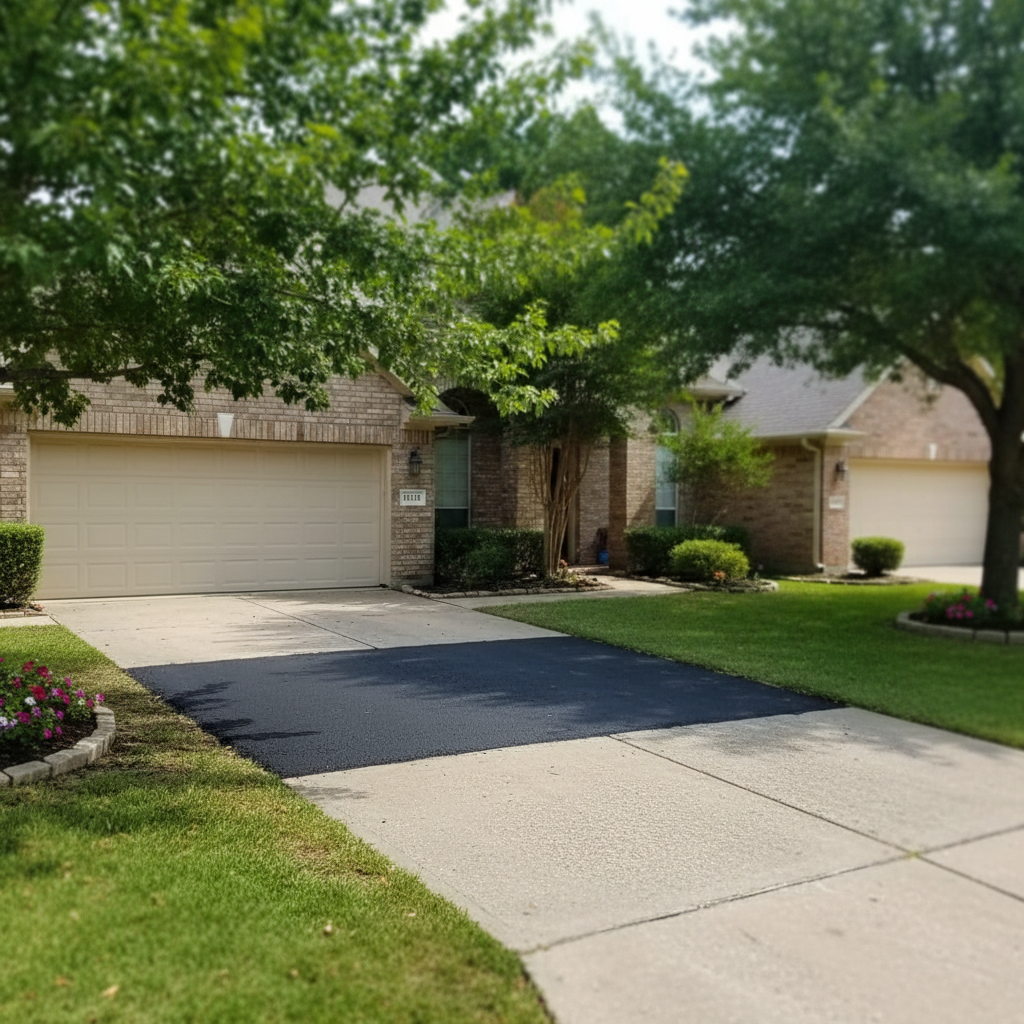
You've got a pothole. Or maybe some cracks are popping up on your driveway or parking lot. It's an eyesore, definitely, but it's also a trip hazard. And honestly, it's a pretty clear sign that bigger problems are on the way if you don't take care of it. When you call me up at Apex Asphalt Solutions, one of the first things I'll talk to you about isn't just what we're going to do, but when we're going to do it. See, in Dallas, timing is absolutely everything for asphalt patching.
Why Dallas Weather Really Matters for Asphalt Patching
Our climate here in North Texas isn't just hot; it's a wild ride of extremes. We get those scorching summers, sudden cold snaps in winter, and plenty of rain in between. All of that plays a huge role in how well an asphalt patch takes – and how long it actually lasts. You can't just slap down hot mix any old time and expect it to hold up, can you?
Think about it: asphalt is a petroleum product. It needs to be hot and pliable when we lay it down so it can properly compact and bond with the existing pavement. If it's too cold, it cools too fast, doesn't compact right, and you end up with a weak, crumbly patch that'll fail in no time flat. If it's too wet, water gets trapped, and you'll have issues with adhesion and future cracking. We're always battling that clay soil we have around here too – it expands and contracts with moisture, which puts constant stress on any pavement, no matter how well it's laid.
The Best Time to Patch Your Asphalt in Dallas
From my experience, the sweet spot for asphalt patching in Dallas is usually spring and fall. These seasons offer the most consistent, moderate temperatures, which is exactly what you want.
- Spring (March - May): This is prime time. The ground has had a chance to dry out from winter rains, and the temperatures are reliably warm but not yet scorching. Daytime highs are usually in the 60s, 70s, or low 80s – perfect for working with hot asphalt. The material stays workable, and it has plenty of time to cure before the brutal summer heat sets in.
- Fall (September - November): Another excellent window. After the summer inferno finally breaks, temperatures cool down to that ideal range again. The ground is typically dry, and you don't have to worry as much about unexpected cold fronts ruining a job.
Sure, we can do patching in summer and winter, but it comes with more challenges and often needs specific precautions.
What Weather Conditions Affect the Work?
It's not just the season; it's the daily conditions that really matter. Here's what we're always looking at:
- Temperature: Ideally, we want ambient temperatures to be above 50°F and rising. Below that, the asphalt cools too quickly. Above 90°F, it can get too soft and be difficult to compact properly, plus it's just plain dangerous for the crew. We can work in hotter temps, but we definitely have to adjust our methods and materials.
- Moisture: This is a big one. We absolutely cannot patch asphalt if the area is wet or if rain is in the forecast. Water prevents proper bonding, leading to premature failure. If it's rained recently, we need to make sure the subgrade is completely dry before we even think about laying down new material.
- Wind: Strong winds can cool hot asphalt mix too rapidly, especially on larger patches. It's not usually a deal-breaker, but it's certainly something we consider.
Sometimes, if you have an emergency pothole that's a serious hazard, we can use cold patch material in less-than-ideal conditions. But understand that cold patch is a temporary fix, not a permanent solution. It's like putting a band-aid on a gash – it'll hold for a bit, but you'll need stitches eventually.
Protecting Your Investment Year-Round
Once you've got those patches done, you want them to last, right? Here's how you can help protect your asphalt investment:
- Good Drainage: Make sure water isn't pooling on your pavement. If you've got standing water after a rain, that's a problem. Water is asphalt's worst enemy. It seeps into cracks, freezes, expands, and then you've got bigger cracks and potholes.
- Regular Cleaning: Keep debris, dirt, and vegetation off your asphalt. Leaves and dirt can hold moisture against the surface, and weeds growing through cracks will only make them worse.
- Sealcoating: This is huge. A good sealcoat every 2-3 years acts like sunscreen and a raincoat for your asphalt. It protects against UV rays, water penetration, and oxidation. It's a preventative measure that saves you money on major repairs down the line. We do a lot of sealcoating here at Apex Asphalt Solutions, and I can tell you it extends the life of your pavement significantly.
- Address Small Cracks: Don't wait for small cracks to become big potholes. Crack filling is a cost-effective way to stop water infiltration and prevent further damage. It's much cheaper to fill a crack than to cut out and patch a pothole.
- Limit Heavy Loads: If you've got a residential driveway, try to avoid parking heavy RVs or commercial vehicles on it for extended periods. Asphalt is designed for certain load limits, and exceeding them can cause premature deterioration.
Look, maintaining asphalt isn't rocket science, but it does require paying attention to the details and understanding how our specific Dallas environment impacts things. If you're smart about when you schedule your patching and you keep up with basic maintenance, you'll get years of good service out of your pavement. Don't hesitate to give us a call if you've got questions or need an assessment. We're always happy to come take a look.