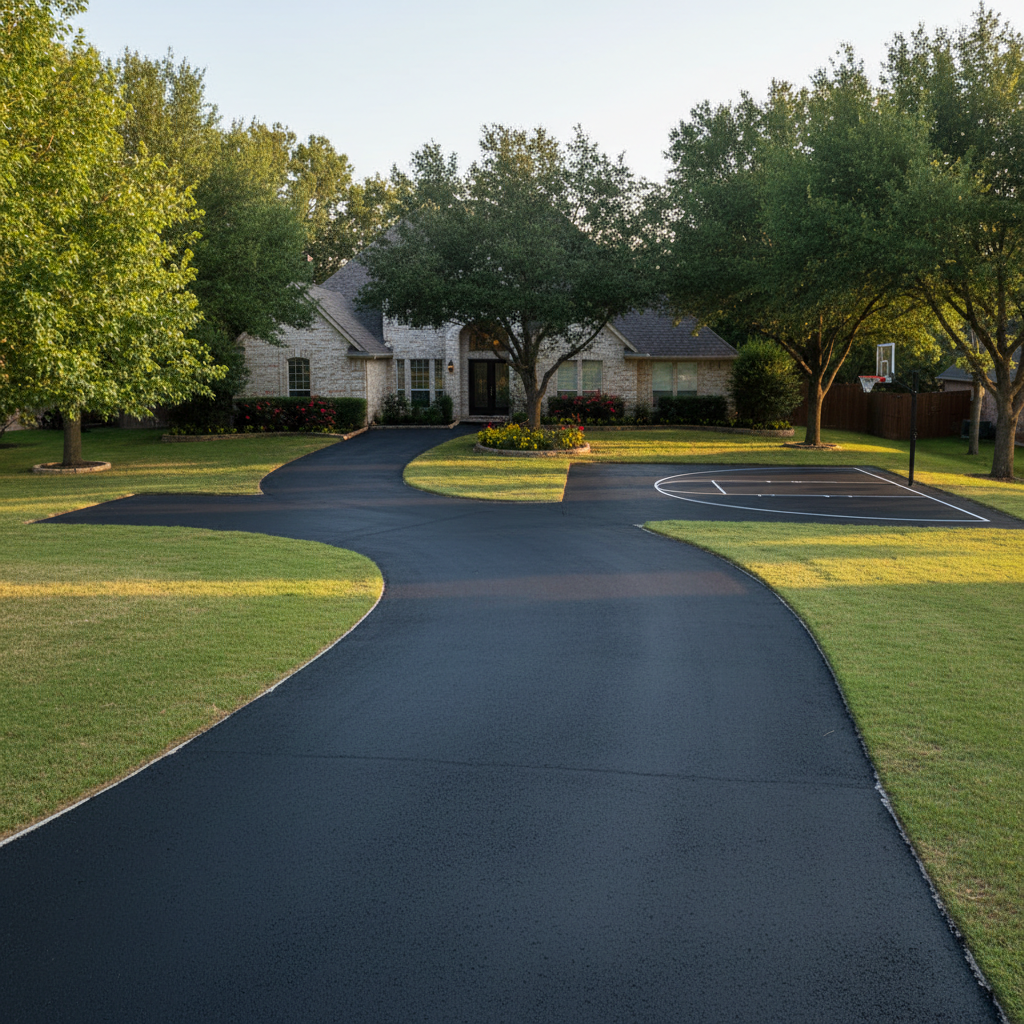
Planning Your Dallas Slurry Coating Project
So, you're thinking about slurry coating your asphalt driveway or parking lot here in Dallas. Smart move, really. It's a great way to protect your investment and keep things looking sharp. But it's not quite as simple as just picking up the phone and saying, "Do it." There's actually a fair bit of planning involved if you want the job done right, without a bunch of headaches. I've seen enough projects go sideways because people didn't know what to expect, so let's talk through it.
The Timeline: When to Get This Done
Timing is absolutely everything when it comes to asphalt work, especially for something like slurry coating. You can't just do it whenever. We need consistent warm weather, usually above 50°F, and definitely no rain in the forecast for at least 24 to 48 hours after we finish. That means spring, late summer, and early fall are your best bets here in Dallas. Trying to tackle it in the middle of winter or during our crazy spring downpours? That's just asking for trouble. The material won't cure properly, and you'll basically be throwing your money away. I usually tell folks to start thinking about it a few months out, especially if you have a specific window in mind. Good contractors, you know, they book up fast, especially during prime season.
What to Expect During the Process
Alright, so you've picked your contractor and the weather's looking good. What's actually going to happen? First up, we'll clean the surface. And I mean really clean it. We're talking power washing, sweeping, blowing out all the dirt, debris, and any loose aggregate. If we spot any oil stains or major marks, we'll pretreat those too. You definitely don't want to seal over grime, right? Next, we'll take care of any minor cracks. Now, slurry coating isn't some miracle cure for huge potholes, but it will fill small hairline cracks and help stop new ones from popping up. Then comes the actual slurry application. We usually put it on in one or two coats, depending on how your asphalt looks and what product we're using. We've got specialized equipment to make sure you get an even, consistent layer. After that, it's all about drying time. Seriously, you absolutely cannot drive or even walk on it until it's fully cured. This can take anywhere from 24 to 72 hours, depending on how humid it is and the temperature. If you try to rush it, you'll just mess up the finish and shorten its life. We'll put up barricades or tape to make sure nobody accidentally drives on it too soon. It's a pretty straightforward process when the pros handle it.
How to Prepare Your Property
Your part in this whole thing is super important for a smooth operation. Here's what you need to do before we even show up:
- Clear the area: Move your cars, RVs, trash cans, sports equipment, potted plants – anything that's on or near the asphalt surface. We need a completely clear workspace, no exceptions.
- Trim back foliage: If you've got bushes or trees hanging over the driveway, give them a trim. We don't want leaves falling into the wet slurry, and we need room to maneuver our equipment.
- Turn off sprinklers: Make sure your irrigation system is off for at least 24 hours before we start and for a few days after. Water is the enemy of fresh slurry, believe me.
- Communicate with neighbors: If your driveway is shared or if our work might block their access for a bit, give them a heads-up. It's just good neighborly practice, right?
- Plan for access: Remember, you won't be able to use the coated area for a couple of days. Think about where you'll park your car, how you'll get mail, and any deliveries you might be expecting.
A little prep on your end makes a huge difference for us and really helps ensure you get a better final product. It lets us work efficiently and keeps the project on schedule, too.
Questions to Ask Before You Sign That Contract
Before you commit to anyone, you really need to ask the right questions. Don't be shy; it's your money and your property, after all. Here's what I'd want to know:
- What specific type of slurry material are you using? There are different grades and formulas out there. A good contractor will be totally open about their product.
- How many coats will you apply? Usually, it's one or two. More isn't always better if the first coat is thick enough, but a second coat can definitely add durability.
- What's your surface preparation process? Make sure they detail cleaning, crack filling, and any oil spot treatment. This is where a lot of contractors try to cut corners, so be vigilant.
- What's the estimated drying and cure time? Get a clear understanding of when you can actually use the surface again.
- Do you provide a warranty for your work? A reputable company like Apex Asphalt Solutions will stand behind what they do. Ask what it covers and for how long.
- Can you provide references from recent slurry coating jobs in Dallas? Seeing their work firsthand or talking to other homeowners is just invaluable.
- Are you licensed and insured for this type of work in Texas? This isn't negotiable. You absolutely don't want uninsured workers on your property.
- What's your plan for protecting adjacent surfaces? You certainly don't want slurry overspray on your brick, concrete, or landscaping, do you?
Asking these questions helps you figure out how professional they are and ensures you're really comparing apples to apples when you get multiple bids. You want someone who's going to do a quality job that actually lasts, especially with our Dallas heat and those occasional heavy rains that can really stress asphalt.