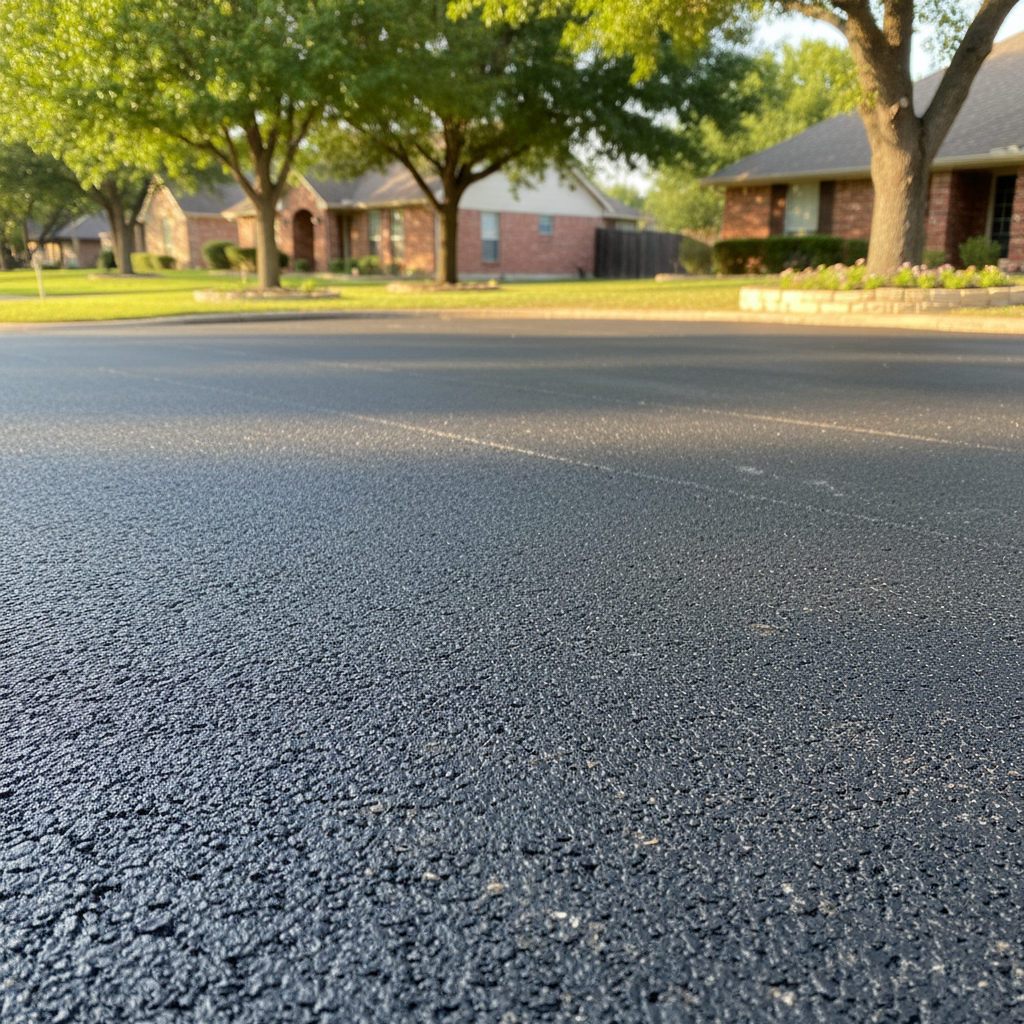
Alright, let us talk about getting some new Asphalt down at your place. Whether you are looking at a new Asphalt Driveway, a good Asphalt Pathway, or expanding an Asphalt Parking Area, it is a big project. You might be wondering what you can handle yourself and when it is just smarter to bring in a crew like us at Apex Asphalt Solutions. Apex Asphalt Solutions has seen a lot of Asphalt come and go in Dallas, and we can tell you, doing it right saves you headaches and money down the road.
Before the Shovels Hit the Dirt: Planning Your Paving Project
Before anyone even thinks about laying Asphalt, there is some groundwork you need to cover. This is not just about picking a color; it is about making sure your investment lasts, especially with our Dallas weather and that expansive clay soil we are always dealing with in Dallas.
What You Can Do Yourself:
- Dream Big (and Practical): Sketch out what you want for your Asphalt Paving. Think about the size, the shape, and where you want the Asphalt to go. Consider how you use your space now and how you would like to use it in the future.
- Clear the Path: Remove any old debris, overgrown bushes, or anything else that is clearly in the way of your Asphalt Paving project. If you have an old concrete slab or gravel, you can start breaking it up and hauling it away if you are up for some serious physical labor. Just remember, proper disposal is important.
- Look for Drainage Issues: Walk your property after a good rain in Dallas. Where does water pool? Where does it run off? Standing water is Asphalt's worst enemy, and you need to know this upfront for your Asphalt Paving. If you have low spots or areas where water just sits, that is a red flag for your Asphalt.
- Talk to Your Neighbors: If your Asphalt Paving project is close to property lines, a quick chat can prevent future misunderstandings about the Asphalt.
- Check for Local Regulations: It is always a good idea to see if there are any city permits or HOA rules you need to follow for your Asphalt Paving in Dallas.
When to Call a Pro (Seriously, Do Not Skimp Here):
- Site Evaluation and Grading: This is probably the most important step for your Asphalt Paving, and it is where a professional shines. We are talking about making sure the ground is stable, and more importantly, that it slopes correctly for drainage. With Dallas's heavy rains, getting the grade wrong means puddles, erosion, and a rapidly failing Asphalt Driveway. An Asphalt Contractor will inspect the existing pavement, check drainage, evaluate the base, and plan for equipment access. They will use specialized equipment to get those precise slopes for your Asphalt Paving.
- Base Preparation: Beneath that smooth Asphalt lies a very important base layer, usually crushed stone or gravel. This base needs to be installed and compacted correctly to support the Asphalt and prevent cracking. An experienced Asphalt Contractor knows the right materials and compaction techniques for our local soil conditions in Dallas.
- Heavy Equipment: Unless you own a skid steer, a roller, and a dump truck, you are not going to be able to do proper demolition, excavation, and compaction for your Asphalt Paving.
- Defining Project Scope: A good Asphalt Contractor will help you clearly define what needs to be done, whether it is new Asphalt construction, Asphalt removal and replacement, or an Asphalt overlay.
During the Project: What to Expect
Once the planning is done and the crew is on site, things move pretty fast with your Asphalt Paving. It is an exciting time, but there are still things to keep in mind.
What You Can Do Yourself:
- Communicate: Keep an open line with your Asphalt Paving crew. Ask questions if you have them about the Asphalt.
- Clear the Area: Make sure vehicles, pets, and kids are out of the work zone for the Asphalt Paving. Let your landscapers know to hold off on mowing or watering nearby lawns during the Asphalt project. Grass clippings or dirt on fresh Asphalt? Not a good look for your new Asphalt.
- Stay Off It: Resist the urge to walk or drive on fresh Asphalt. It needs time to set.
What the Pros Handle:
- Demolition and Removal: If there is an old surface, the Asphalt Paving team will break it up and haul it away.
- Grading and Sloping: As we mentioned, this is very important for your Asphalt Paving. The team will shape the ground to make sure water drains away properly from the Asphalt.
- Sub-base Preparation: The team will lay down and compact that important aggregate base for the Asphalt. They will also do 'proof rolling' to find any soft spots that need fixing before the Asphalt goes down.
- Applying Binder and Surface Layers: This is where the work happens for your Asphalt. The team will lay down the binder layer, which is a mix of aggregate and oil, and then the final hot Asphalt surface layer. This hot mix Asphalt is spread and compacted with heavy rollers to create a smooth, durable finish for your Asphalt.
After the Asphalt is Down: Care and Maintenance
Your new Asphalt looks great, right? Now, you want to keep it that way. Proper aftercare is important for the longevity of your Asphalt.
What You Can Do Yourself:
- Give It Time: Do not drive on your new Asphalt for at least 24-72 hours, and longer in hot weather. Asphalt takes time to cure, sometimes up to a year to fully harden.
- Be Gentle for a While: For the first few weeks, avoid turning your steering wheel while your car is stationary. These are called 'power steering marks' and they are real. Try not to park in the exact same spot every day for the first year to prevent depressions in your Asphalt.
- Clean Up Spills Immediately: Oil, gas, and other chemicals can soften and damage Asphalt. Clean them up right away from your Asphalt.
- Keep it Clean: Regularly sweep or hose off dirt, leaves, and debris from your Asphalt.
- Check Sprinklers: Make sure your irrigation system is not constantly watering your Asphalt. Excessive water can degrade the Asphalt.
- Inspect Regularly: Walk your Asphalt Driveway every month or so, looking for small cracks or issues. Catching them early can save you bigger Asphalt repair costs.
When to Call a Pro:
- Sealcoating: This is your Asphalt's sunscreen and protective shield. You will want to Sealcoat your new Asphalt about 90 days to a year after installation, and then every 2-3 years after that. Professionals use commercial-grade sealers and have the right equipment for an even, effective application of the Asphalt Sealcoating.
- Crack Repair: Even small cracks in your Asphalt can let water in, leading to bigger problems. A professional can properly seal Asphalt cracks with hot rubber to prevent further damage to the Asphalt.
- Any Major Damage: If you see significant cracking, potholes, or drainage issues developing in your Asphalt, do not wait. Get a professional assessment for your Asphalt.
Paving your property with Asphalt is a big deal, and getting it right means understanding the process. While some light prep and diligent aftercare are definitely things you can do, for the heavy lifting and the technical stuff, you really need to trust the experts. That is why we are here at Apex Asphalt Solutions – to make sure your Dallas home gets an Asphalt Pavement that is built to last. Apex Asphalt Solutions provides Asphalt Paving services to Dallas, TX.